Our projects


Our friends


Counters

The Art of Maltese Filigree: Craft Depo Educator Learns Traditional Jewellery-Making
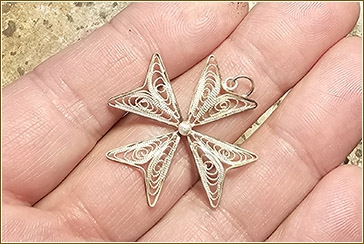
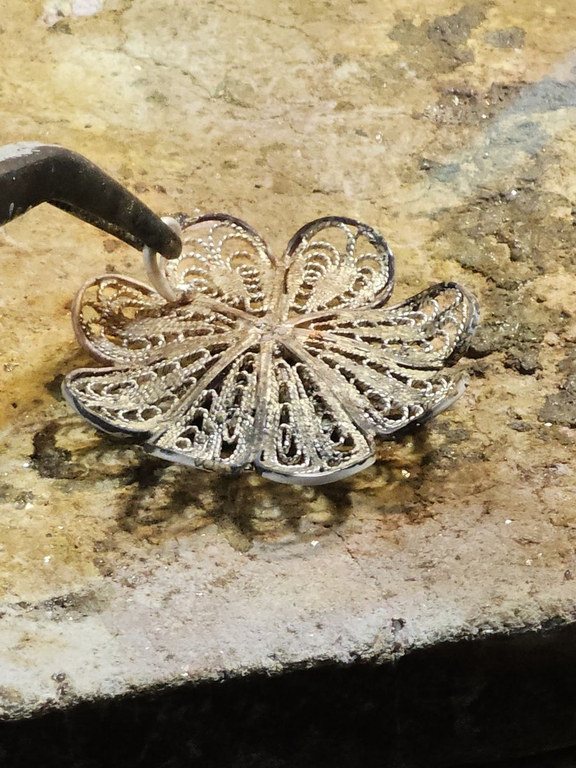
Fine metal wires, intricate openwork patterns and remarkable precision — these are the essential elements of traditional Maltese filigree jewellery. Behind the delicate appearance of each piece lies hours of careful work, patience and exceptional craftsmanship.
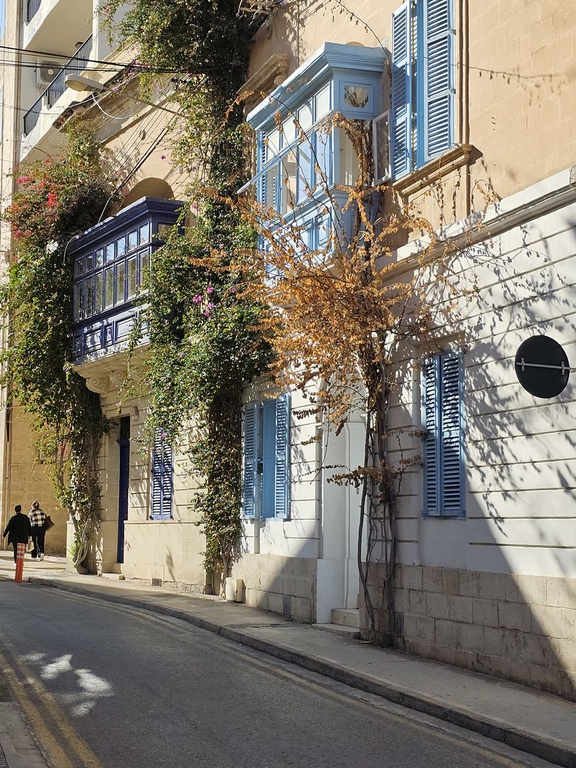
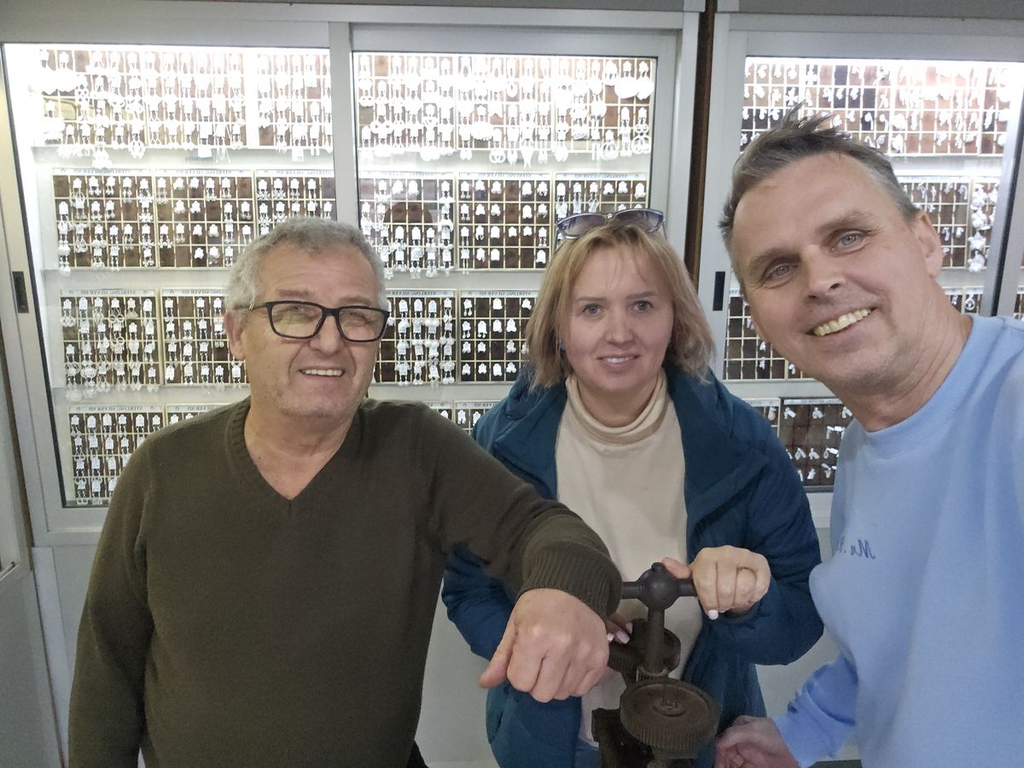
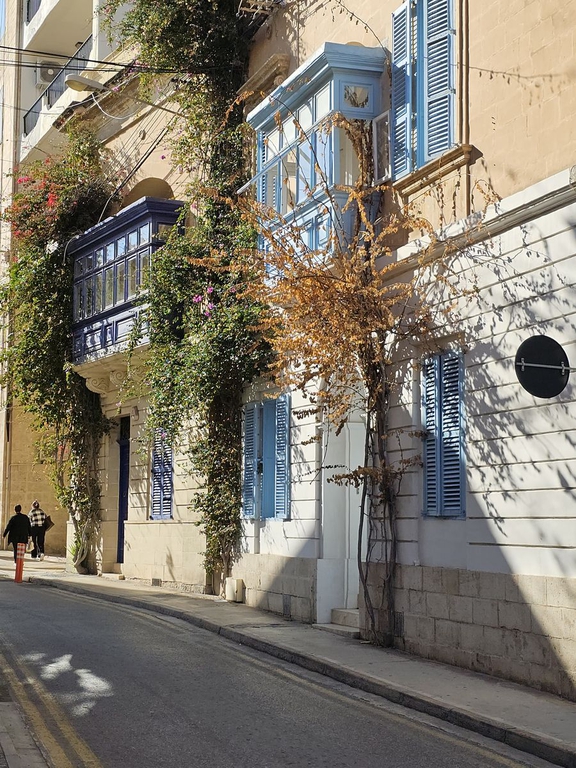
To explore this traditional art, Juri Raud, an educator at Craft Depo, travelled to the island of Gozo, Malta.
In February 2025, he attended an intensive course, “Jewelry-Making Course in the Filigree Technique,” at Ta’ Dbieġi Jewellery, located in Ta’ Dbieġi Crafts Village.
The training took place within the European Union's Erasmus+ programme, Adult Education sector.
Project number: 2024-1-EE01-KA121-ADU-000216225
Mobility type: Individual staff mobility – Courses and Training.
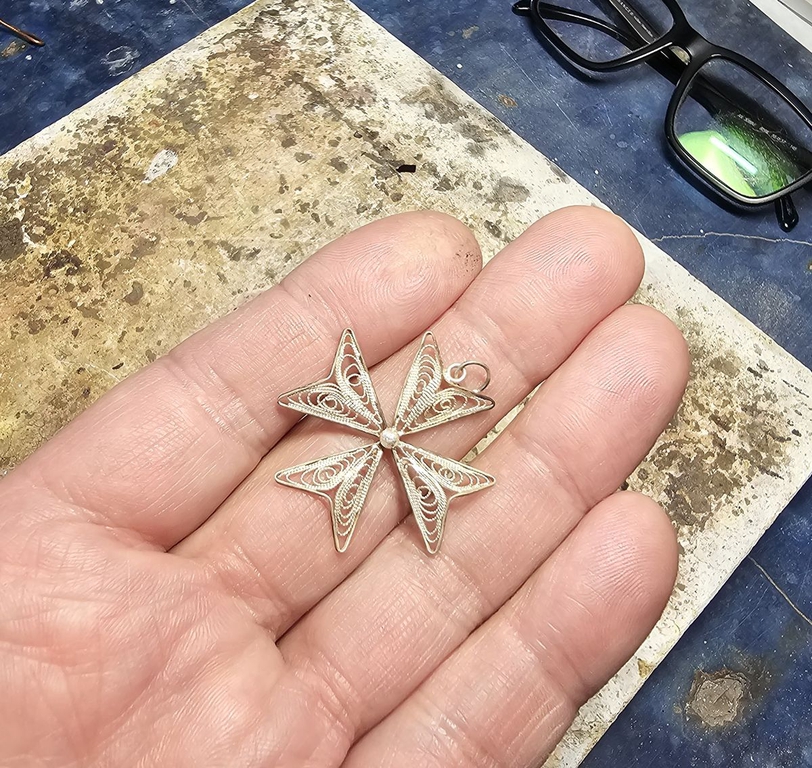
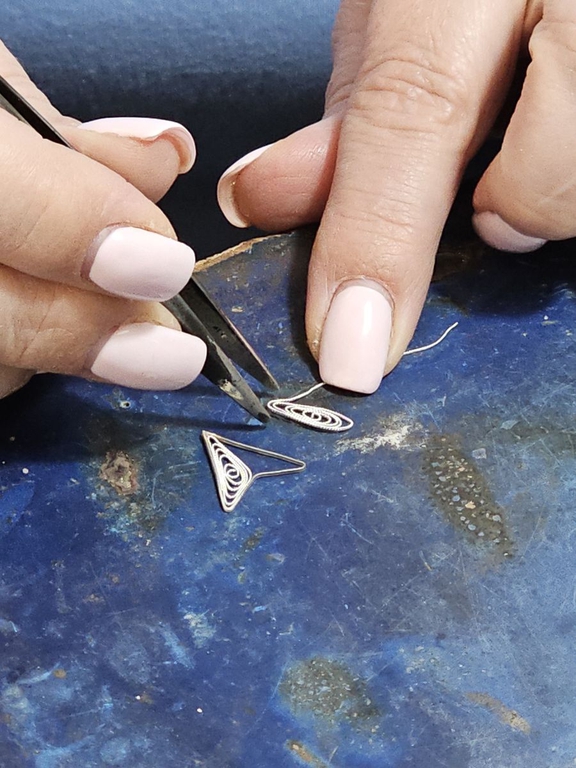
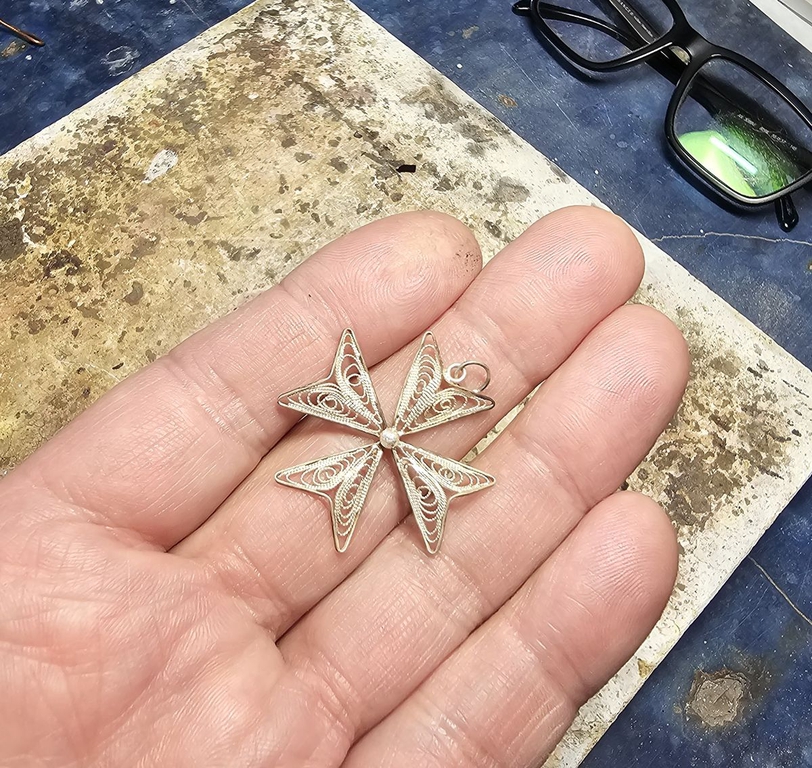
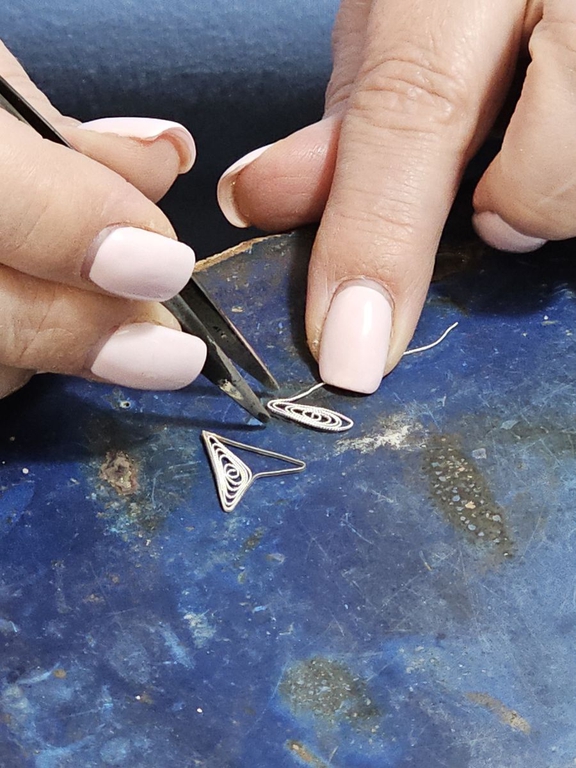
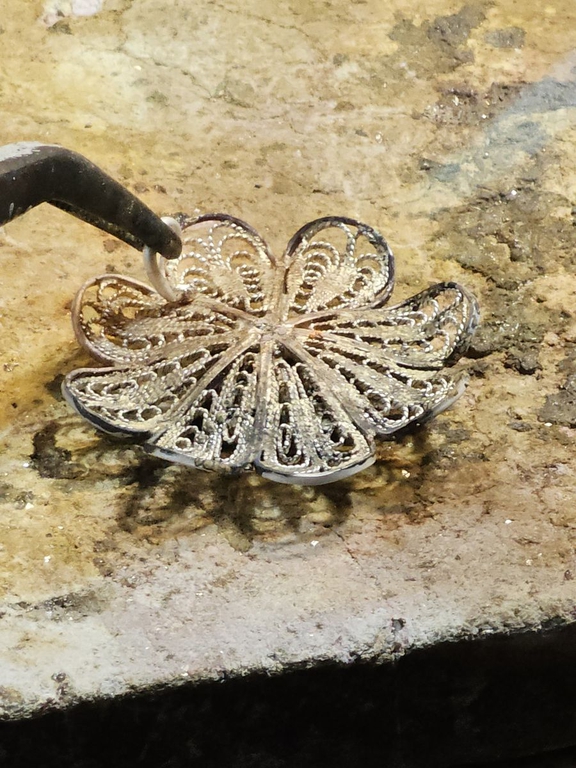
Maltese filigree is a traditional jewellery-making technique in which fine metal wires are transformed into delicate curls, ornaments and intricate openwork designs. This craft holds a special place in Malta's cultural heritage, with skills and knowledge passed down through generations.
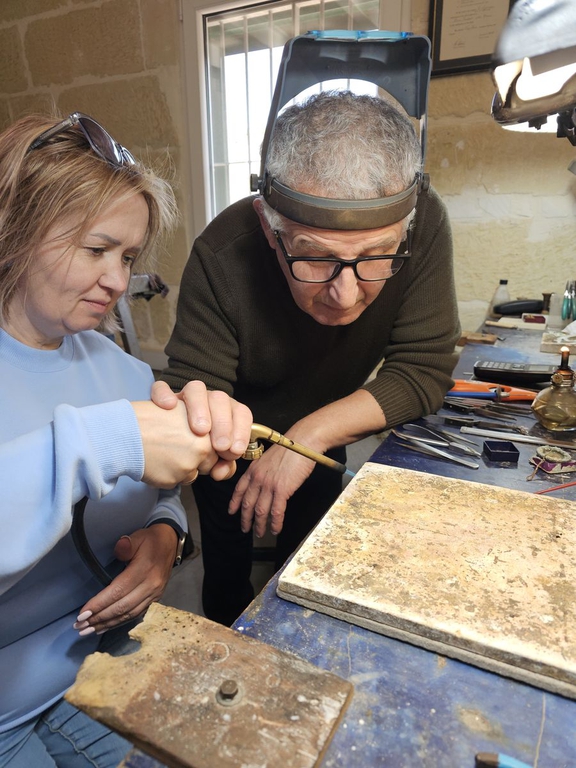
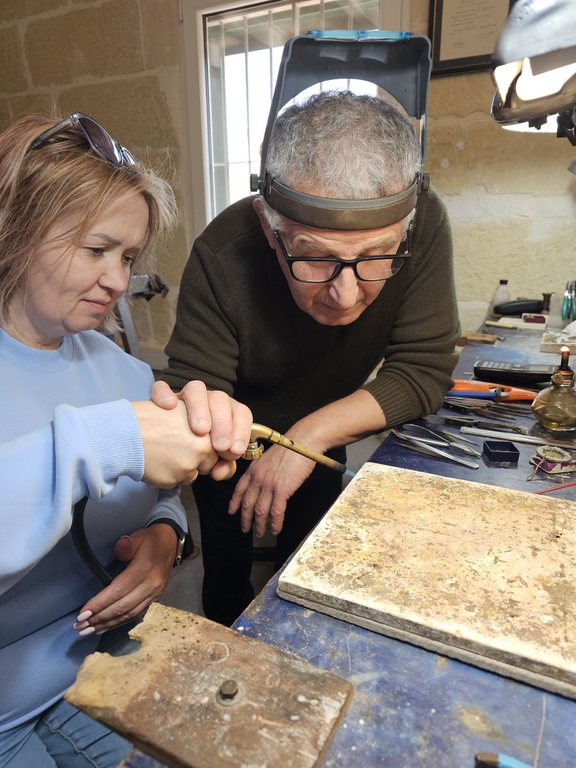
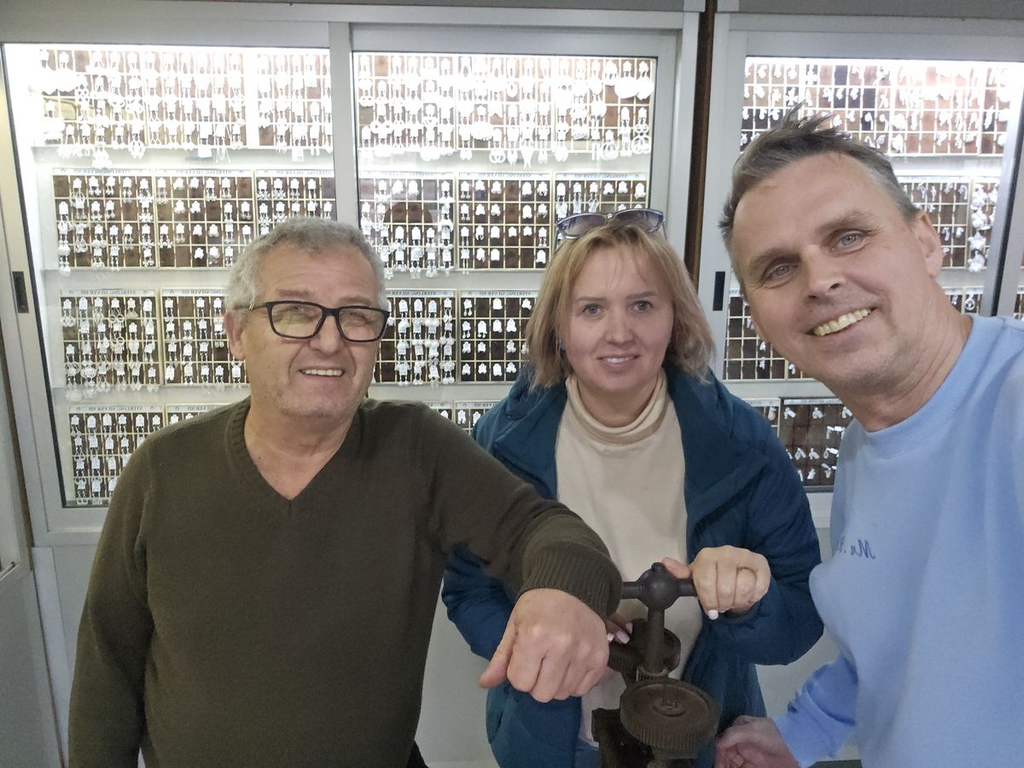
The training was conducted under the guidance of George Farrugia, an experienced master craftsman and educator with extensive experience in adult education and delivering university lectures.
During the course, Juri explored traditional Maltese patterns and learned essential techniques, including wire twisting, shaping, soldering, assembling decorative elements and polishing. Starting with basic exercises, he gradually progressed to creating his own filigree piece.
A particularly valuable aspect of the course was the opportunity to learn from a craftsman who combines practical expertise with extensive teaching experience. Traditional Maltese craft education is based on direct demonstration, observation, guided practice and individual feedback. This approach allows learners to acquire not only technical skills but also subtle aspects of craftsmanship that are difficult to convey through written instructions alone.
For Craft Depo, this experience was valuable in two ways. Alongside improving his metalworking skills, Juri explored teaching methods that can be adapted to creative education for adults.
The newly acquired techniques, professional skills and teaching experience will help enrich Craft Depo's educational activities and support the further development of artistic metalworking courses.
The training was financially supported by the European Union's Erasmus+ programme.