Our projects


Our friends


Counters

How Traditional Crafts Bring People Together: Craft Depo's Erasmus+ Job Shadowing Experience in Crete.
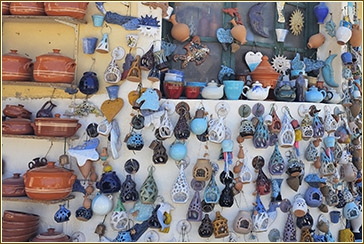
Imagine a place where artisans practising different crafts work side by side, creative workshops take place, local traditions are kept alive, and people of different generations meet. Each artisan has their own speciality, yet together they create a shared space for creativity, learning and cultural exchange.
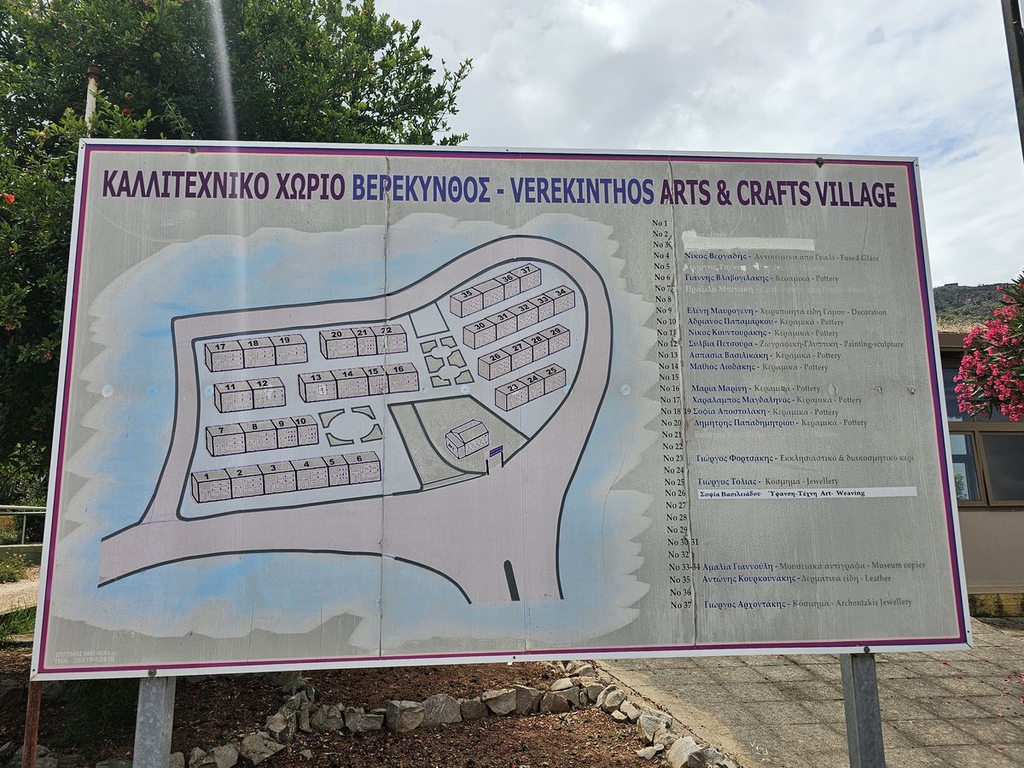
This was what particularly interested us during our visit to Arolithos Traditional Cretan Village on the island of Crete, Greece.
In June 2026, Juri Raud, a teacher and adult education coordinator at MTÜ Craft Depo, participated in an Erasmus+ job-shadowing mobility under the programme “Adult Learning through Traditional Crafts, Intergenerational Learning and Community-Based Education”.
Unlike a traditional training course, job shadowing provides an opportunity to observe how another organisation works in practice, learn from its staff and artisans, discuss teaching methods and exchange professional experience.
Different Creative Fields, One Shared Space.
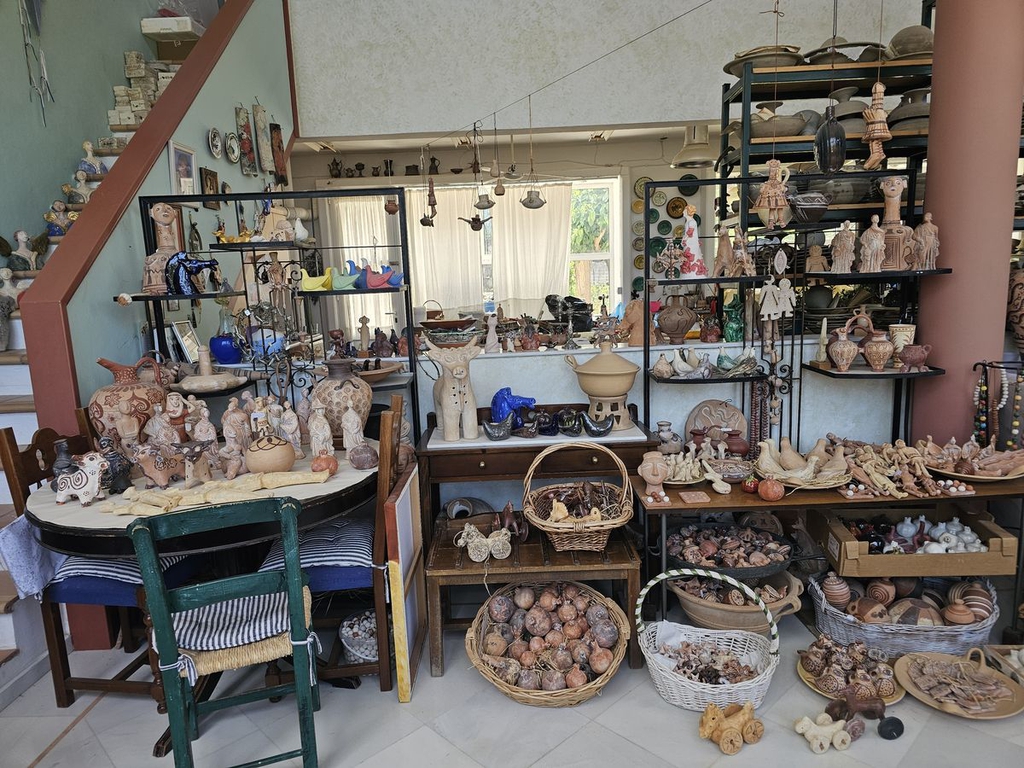
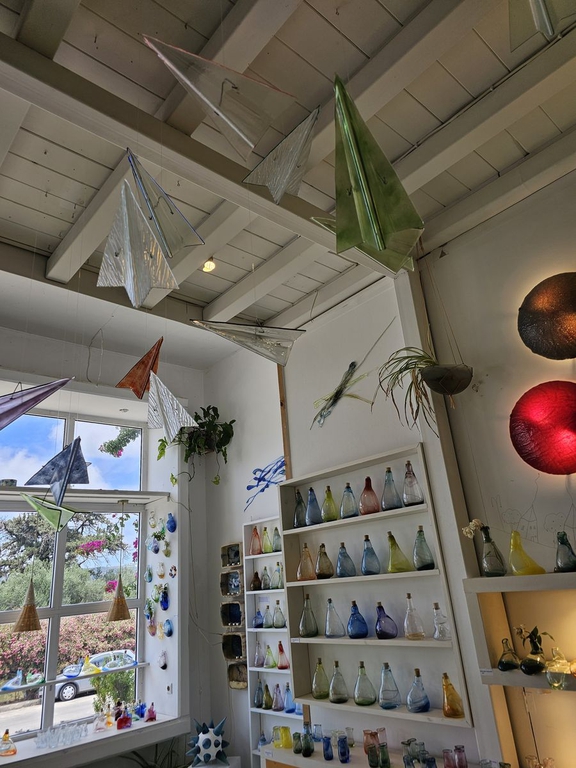
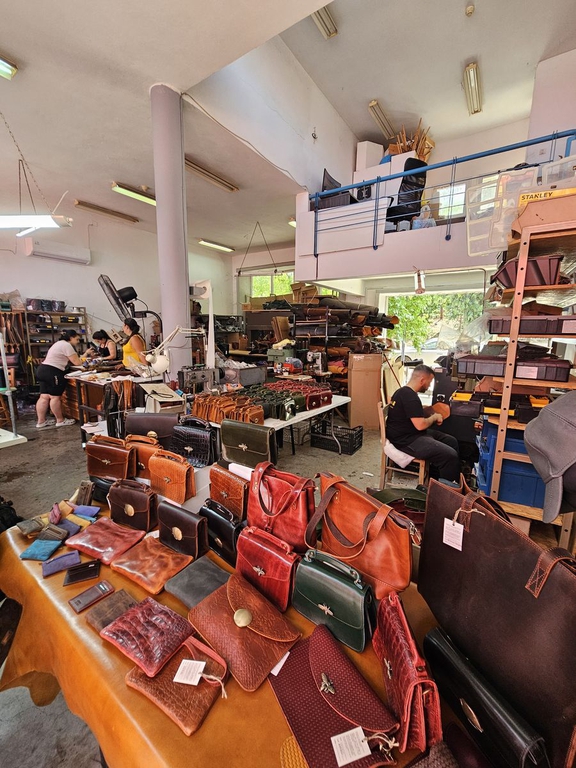
One of the most interesting aspects of Arolithos was how its creative environment is organised. Different crafts and cultural activities are brought together in one place, while each maintains its own identity.
This approach allows artisans and organisations to work independently while supporting one another, attracting a wider audience and organising joint activities.
For Craft Depo, it offered an inspiring example of how small creative organisations can cooperate without losing their individual character.
Learning Beyond the Classroom.
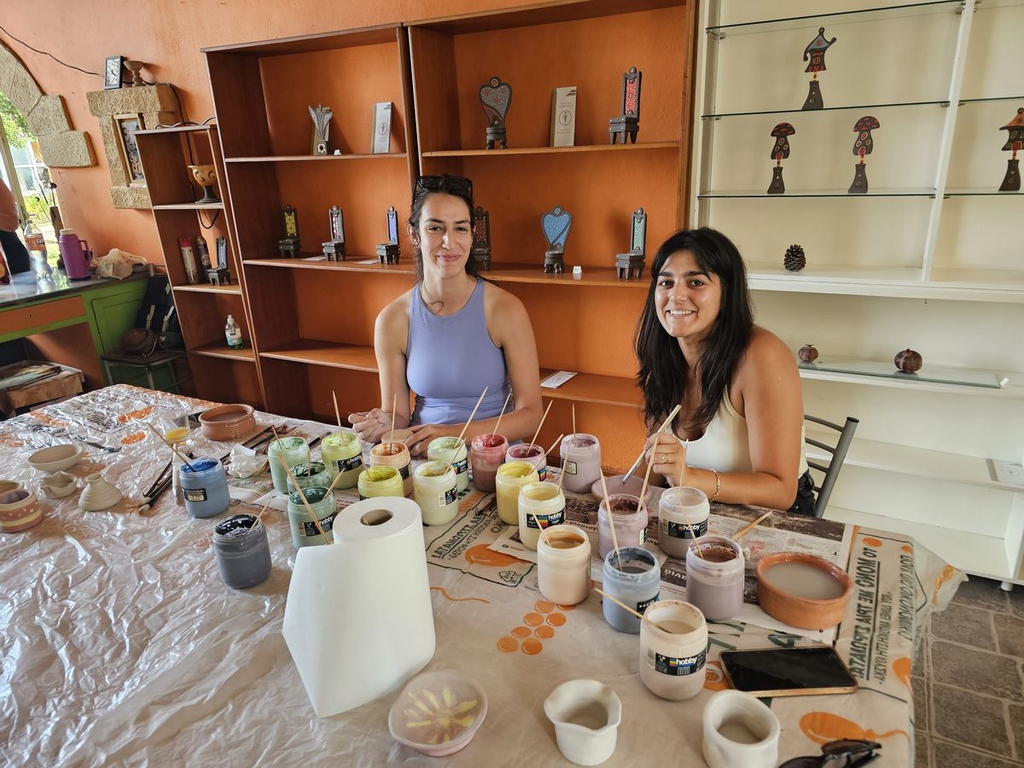
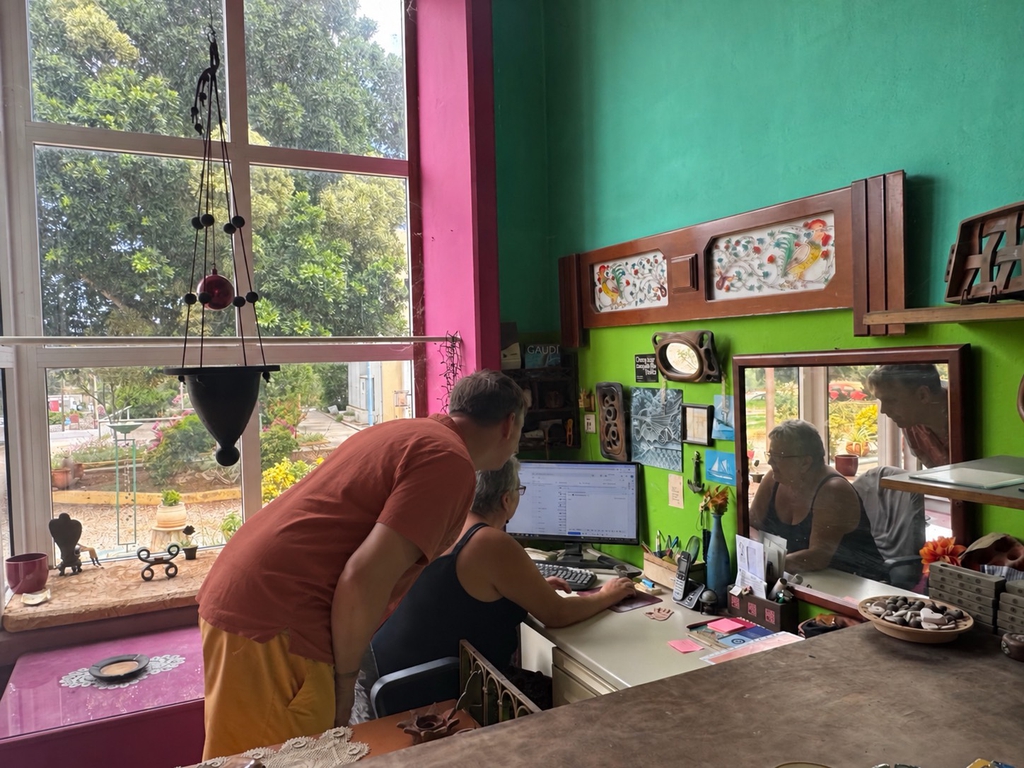
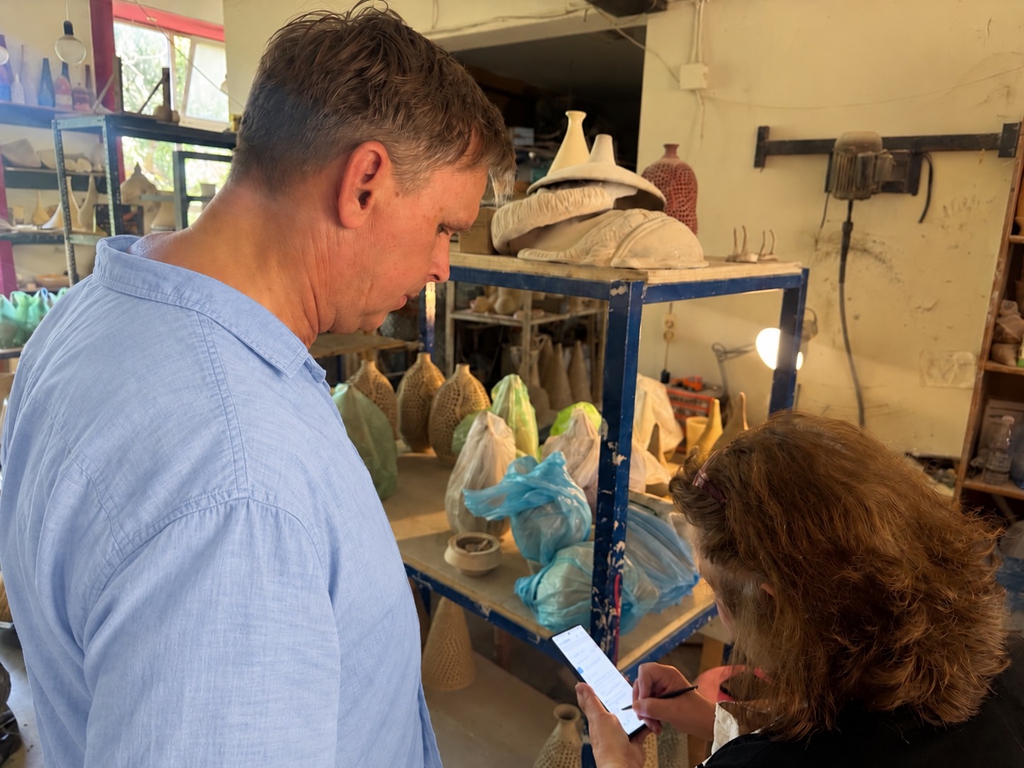
Throughout the week, Juri observed traditional craft workshops, explored how practical skills are passed from one generation to another and learned about the role of artisans as teachers and mentors.
Particular attention was given to how creative activities connect generations, involve local residents in cultural initiatives and contribute to adult education.
It was also interesting to see how learning extends beyond the classroom. Practical demonstrations, stories about traditional crafts, conversations with artisans and participation in cultural activities can all become part of the learning experience.
A Week of Conversations and Exchange.
One of the most valuable outcomes was the opportunity to make new professional connections.
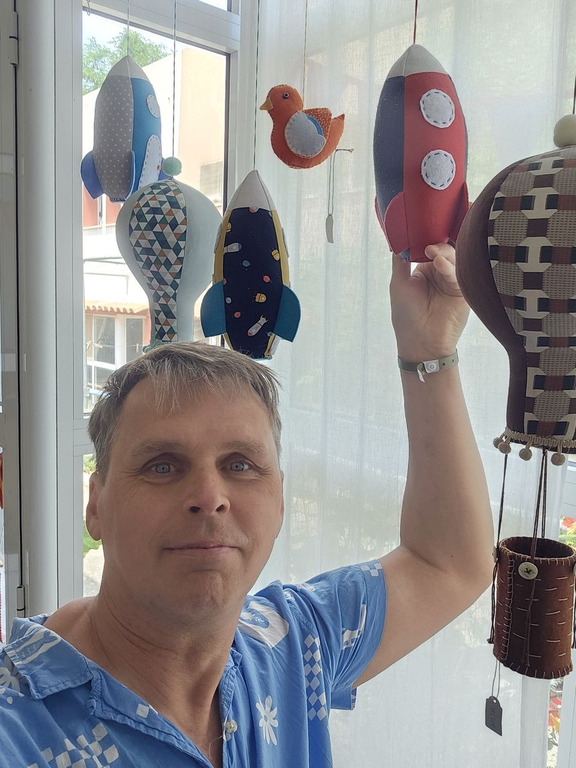
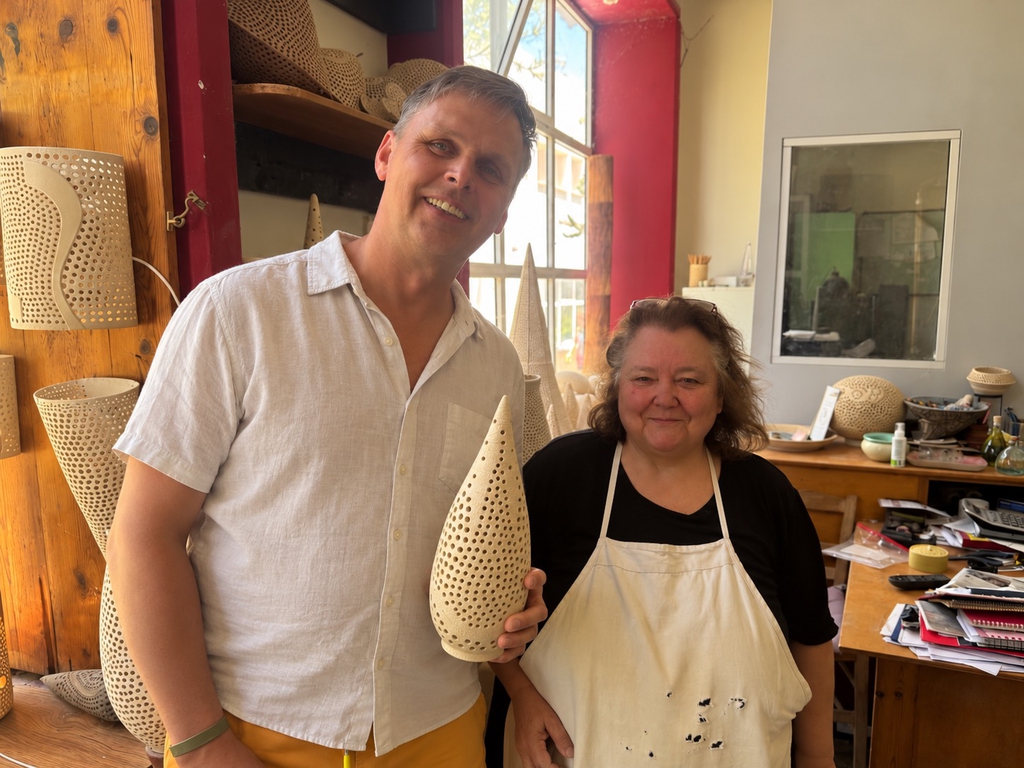
During the visit, Juri met people working in different creative fields and discussed workshop organisation, adult learning methods and ways to involve local communities.
The exchange was mutual: alongside learning from Greek colleagues, he shared Craft Depo's experience, creative programmes and projects in Narva.
These conversations helped identify common interests, establish new contacts and explore opportunities for future cooperation.
What Ideas Did We Bring Back to Narva?.
The experience encouraged us to see Craft Depo not only as a place for creative classes but also as a space where artisans, learners and the local community can work together.
Some of the most useful ideas included:
Bringing different creative organisations and artisans together in one shared space while maintaining their independence.
Organising joint workshops, cultural events and educational activities.
Using traditional crafts to encourage intergenerational learning and the transfer of practical skills.
Involving local residents in creative and community initiatives.
Developing international contacts and potential joint projects.
The experience at Arolithos also demonstrated how local traditions and cooperation between artisans can support adult learning outside major cities. This is particularly relevant to Narva and the Ida-Viru region.
We plan to use the ideas and professional contacts gained during this mobility to develop Craft Depo's activities, organise collaborative events and prepare future projects.
Erasmus+ project number: 2025-1-EE01-KA121-ADU-000328467
This job-shadowing mobility was supported by the Erasmus+ programme of the European Union.